Evangelicals
Now
May
issue
Show navigation
Hide navigation
Home
UK
News
World
News
The Editorial
Features
Reviews
Regular Columns
Letters
Blog
More Info.
Find a Church
Archives
Advertise In EN
Looking for a Job?
Contact Us
Twitter
Facebook
search articles
Go
TGC UK: a Terribly Good Concept... or perhaps not?
All together now? Do we need a TGC UK?
Rico: ‘I was naïve about current culture in the CofE’
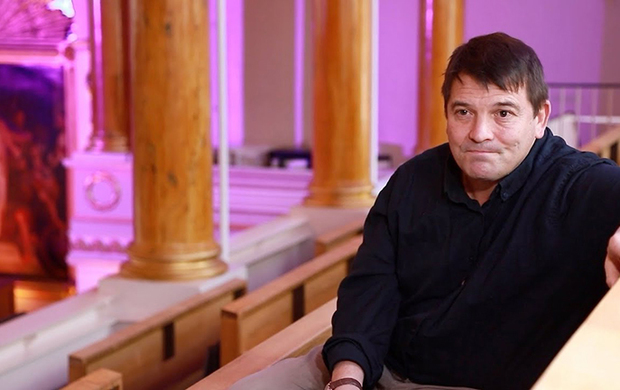
Exclsuive: Rico Tice – why I'm now in a Presbyterian church
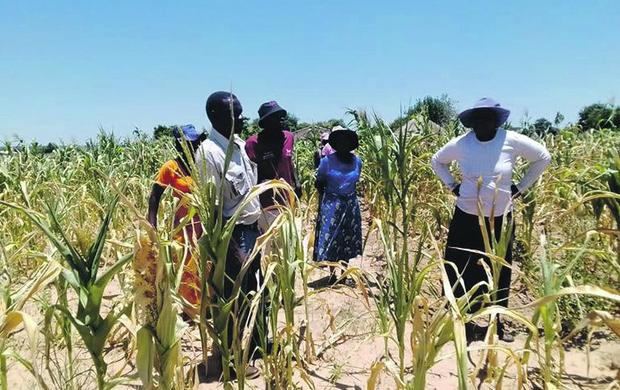
Africa famine alert: ‘I failed to sleep when people came hungry…’ – pastor
Are we throwing away our time?
cover
Uk
News
World
News
Features
UK
News
View All
Show/Hide
No Word Alive in ‘25, say event trustees
With efforts to find a new venue proving difficult, the hard ...
‘If it wasn’t for you and the Padre, I would probably have taken my own life.’
The Soldiers’ and Aviators’ Scripture Readers Association (SASRA), a missionary organisation ...
World
News
View All
Show/Hide
Jagger says church is Nicaragua’s ‘last ray of hope’
Nicaraguan-born Bianca Jagger, former wife of Rolling Stones frontman Sir Mick ...
Gaza: can Christianity now survive?
Thirty out of the estimated 1,000 Christians still left in Gaza ...
Features
View All
Show/Hide
Are we too busy and distracted to hear Jesus?
‘Was that the doorbell? Did you hear something?’ One of my ...
Move over Equality, Equity is the new kid in town: Here’s what it means
Over the past few years, corporate HR departments and public bodies ...
Reviews
View All
Show/Hide
Book
Storyteller looks at the first stories
READING GENESIS
By Marilynne Robinson
Virago. 352 pages. £25
ISBN 978 ...
Book
More harm than good
BAD THERAPY:
Why the Kids Aren’t Growing Up
By Abigail ...
Regular Columns
View All
Show/Hide
James Mildred
Politics and policy
Matthew Roberts
Comment
Kirsten Birkett
Comment
David Robertson
Comment
Paul Blackham
Comment
Bill James
Now This
Glen Scrivener
Everyday Evangelism
Ed Drew
Helping children find faith
Professor Michael Haykin
History
Steve Midgley
Pastoral care
Joseph Steinberg
A Jewish Christian Perspective
Martin Horton
The Bible in action
Lizzy Smallwood
The end Word
Sophie Killingley
Cartoon
Chris Sinkinson
Defending our faith
Milla Ling-Davies
Culture Watch
Letters & Emails
View All
Show/Hide
Debating the nature of sin
Dear Editor,
I feel compelled to write to say how much ...
Lust and adultery
Dear Editor,
In response to Eric Stewart (en March letters) who ...