
Religious groups in Vietnam now have to register financial information with local authorities and are liable to be shut down by government officials for unspecified ‘serious violations’ under new laws implemented to manage religion.
Decree 95, the new strand under the 2018 Law on Belief and Religion, sees state oversight of religious activities increase in Vietnam, with churches required to register more information with government authorities, such as financial records and how they receive and report donations.
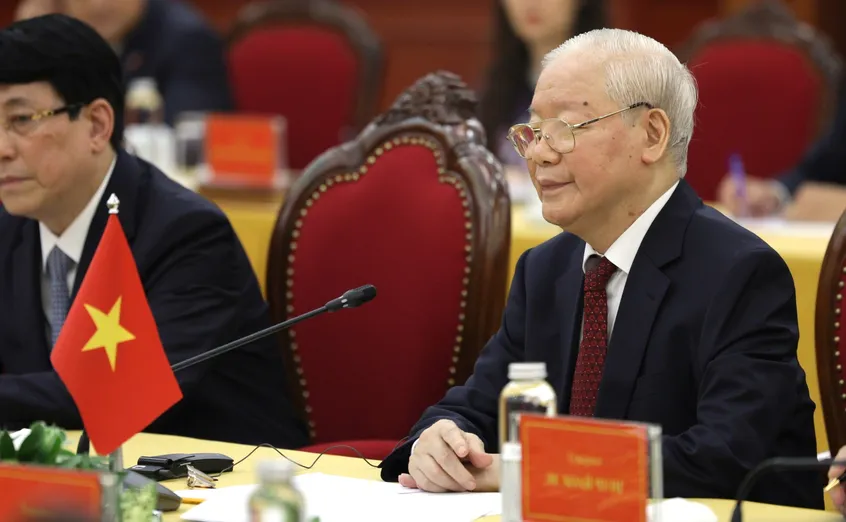
The new laws have taken effect at the same time as the death of 80-year-old Communist Party leader Nguyen Phu Trong, seen as one of the country’s most powerful leaders in decades. Trong, who died in July, probably from old age and failing health, was the Communist Party’s General Secretary from 2011 until his death. He had recently been awarded the Gold Star, the highest honour given for contributions made to the Party and country, and was regarded as a ‘true believer’ in the party’s Socialist ideals.


