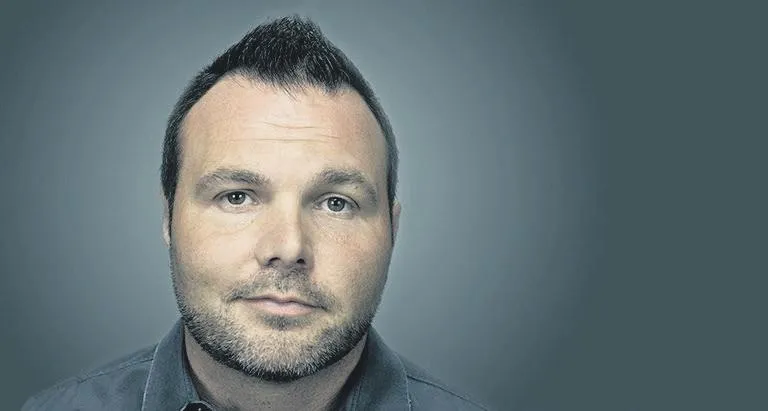
At least 40 former elders who previously served alongside disgraced former ‘mega church’ pastor Mark Driscoll have urged him to resign his pastoral post at The Trinity Church in Scottsdale, Arizona.
The group said they are troubled at his continuing ‘sinful leadership behaviours’ and criticised what they described as a ‘translocal’ advisory structure, allowing him to avoid accountability.
Mr Driscoll stepped down as pastor of Mars Hill church in 2014 following an investigation into his conduct and leadership style. Notorious for his crude, brash, domineering and abusive style of leadership, he had earlier been removed from leadership at the church-planting network Acts 29 which he had co-founded.
In a statement published in July, the former elders wrote: ‘We are saddened to learn that Mark Driscoll has continued in a pattern of sinful actions towards staff members and congregants as he pastors The Trinity Church … We are troubled that he continues to be unrepentant despite the fact that these sins have been previously investigated, verified, and brought to his attention by his fellow elders, prior to his abrupt resignation [from Mars Hill].’
They said Mr Driscoll is unfit to serve as a church pastor, hoped he would resign voluntarily and that those with influence over him would encourage him to do so.
The former elders expressed sympathy with those he has wounded, and added: ‘We realize that Mark left deep pain in the lives of many by being unwilling to seek restoration and reconciliation with those he has sinned against. We grieve the harm that has come to The Trinity Church as well as the damage to the reputation of Jesus among unbelievers through Mark’s words and actions.’
In a thinly-veiled attack on those who enabled Mr Driscoll’s re-establishment as pastor, the statement said: ‘We are disappointed in the leaders who affirmed Mark’s role in planting The Trinity Church. They provided a ministry endorsement from a distance, rather than investigating carefully the charges against him and leading him in a process of repentance and reconciliation. This “translocal” advisory structure has allowed Mark to avoid the accountability he needs.’
They called on him to submit to a ‘prolonged season’ under godly leadership and direction of a local church and elder team, adding: ‘We don’t believe that it would be prudent or healthy for him to be in a position of spiritual authority in a church or ministry setting for the foreseeable future.’