For years I lived as a nominal Christian – a Christian in name only. I believed the right things, but I didn’t love the right things.
True Christians love God, God’s word, and God’s people, or at least they have begun to. Nominal Christians don’t. Sure enough I had little to no interest, in my nominal days, in God’s people or God’s book (knowing it or obeying it). In fact, I was a little embarrassed to be seen with either.
Anyone watching could tell my life was changing when I became interested in both. An older man named Dan asked me if I was interested in studying Isaiah with him, and… I wanted to. Meanwhile, I found myself struggling to concentrate at work because my attention kept drifting off to friends at church… maybe Jim or Eric would be encouraged by an email right now?

New birth
When Christians talk about the doctrine of conversion, they start by talking about focusing on the relationship between divine sovereignty and human responsibility, as well as between repentance and faith. That’s the right place to start.
Yet there’s something else worth highlighting: conversion makes you a family member. Once you were not a people. Now you are a people.
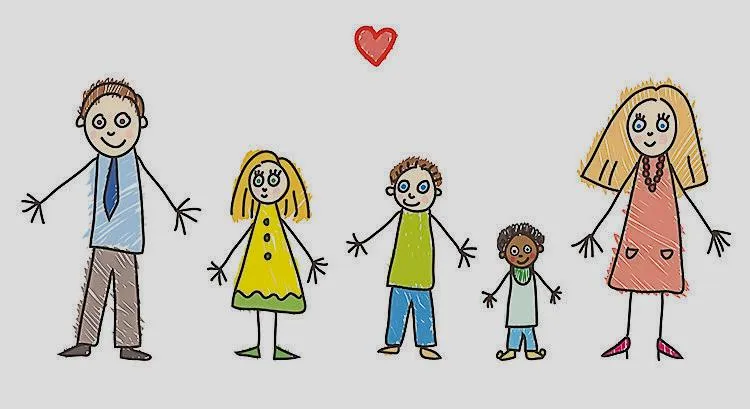
Once you sat alone in your crib down at the orphanage. Then mom and dad came and adopted you, took you home, and – lo and behold – there you discovered new brothers and sisters. They have actual names like Dan, Jim, and Eric.
Conversion, you might say, is covenantal. Being reconciled to God comes first. But being reconciled to him necessarily means we are reconciled to every member of the covenant.
So teaches Ephesians 2. We’re saved by grace alone, says the first half of the chapter. But this salvation means we’re now reconciled to God’s people, says the second half of the chapter. Christ is our peace. He broke down the wall of partition between one-time enemies, reconciling us to God and one another through the cross (Eph. 2:14-16).
You should be excited about the past tense verbs in verse 14. Christ has made us one. Christ has broken down the wall. When did He do these things? At the same place He reconciled us to the Father – at the cross (see also 1 Peter 2:10).
Paul was excited. In the next chapter he rejoices that he gets to proclaim this message – the message that Jews and Gentiles ‘are fellow heirs, members of the same body, and partakers of the promise in Christ Jesus through the gospel’ (3:6). Do you and I rejoice over the unity we share with other believers in the gospel?
Practical takeaways? When you become a Christian, the first thing you do is get baptised into a church. Then you must regularly gather with a church. So says the author of Hebrews (10:25). My own church will excommunicate people who stop attending church altogether. Such discipline is a plea for honesty. Don’t say you belong to the family if you’re never with the family.
Conversion comes with a family name. The ‘I’ becomes a ‘we’. And the local church is where we begin to live out this family name.