Reformers and missions

Michael Haykin  |  Features  |  history
Date posted:  1 Jul 2018
Share Add       
Reformers and missions

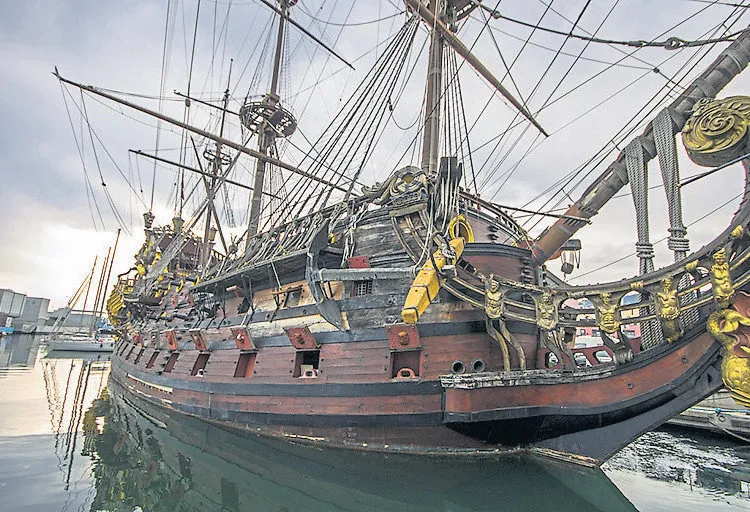
The Neptune, replica of a 17th-century Spanish galleon moored in Genoa, Italy| photo: iStock

The 16th-century Reformers had a poorly-developed missiology and overseas mission was an area to which they gave little thought.

That is what is said. ‘Yes’, this argument runs, ‘they rediscovered the apostolic gospel, but they had no vision to spread it to the uttermost parts of the earth.’ Possibly the first author to raise the question about this failure of early Protestantism was the Roman Catholic theologian and controversialist, Robert Bellarmine (1542–1621). He argued that one of the marks of a true church was its continuity with the missionary passion of the apostles. In his mind, Roman Catholicism’s missionary activity was indisputable and this supplied a strong support for its claim to stand in solidarity with the apostles.

But such a characterisation fails to account for the complexity of this issue.

Share
< Previous article| Features| Next article >
Read more articles by Michael Haykin >>
Features
Nicaea: The scene is set

Nicaea: The scene is set

In the early 320s, the political relationship between the co-emperors of the Roman Empire, Constantine and Licinus, was falling apart. …

Features
The run-up to Nicaea: Athanasius versus Arius

The run-up to Nicaea: Athanasius versus Arius

Among the three or four most significant theological controversies in the history of the church is the fourth-century struggle with …

Subscribe

Enjoy our monthly paper and full online access from just £18/year

Find out more

New here?

Register and get three free articles each month!

Register