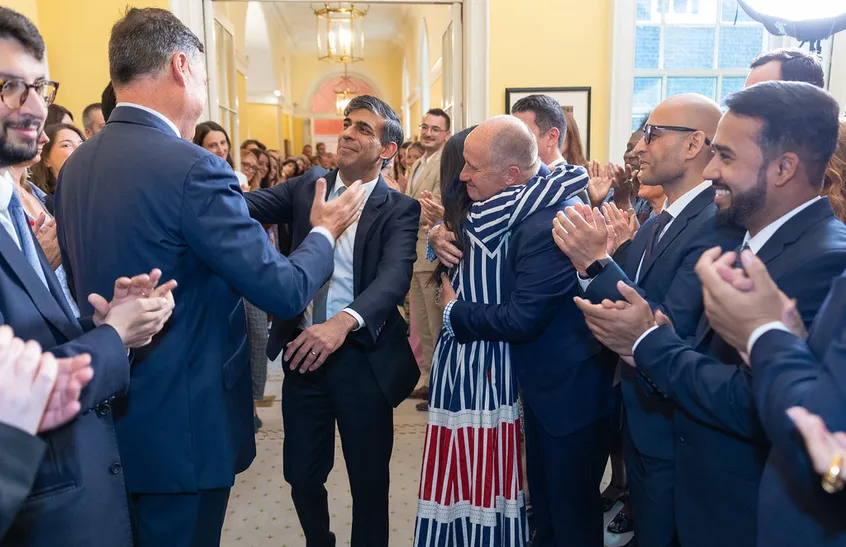
The General Election this summer saw an influx of 334 new MPs into Parliament – a turnover of more than half the entire House of Commons!
The electoral pendulum swung. In 2015 the Liberal Democrat Parliamentary Party was almost obliterated; in 2019, Labour suffered heavy losses. In 2024, 252 Conservative MPs lost their seats, plus 38 SNP and a smattering of others. I’m delighted to have the largest number of Lib Dem colleagues ever, but the result is also bittersweet. Some of those who lost are friends of mine, and some lost their seat to my party.
Losing your seat, losing your identity
Many people have been celebrating this turnaround. Politicians do not attract much sympathy at the best of times. Trust is at an all-time low, and the antics of the last few years have hardly covered MPs in glory. But most of my friends and colleagues in Westminster and local politics – of all parties – put long hours and incredible emotional investment into their roles.
So in the aftermath, let’s think about the human stories behind each constituency colour change that flashed up on election night.
Losing can be devastating for those who have thrown heart and soul into the campaign, particularly for former MPs who have lived and breathed the rhythms and concerns of their constituencies for years. Not to mention all their hugely committed staff who have also lost their jobs overnight.
After the 2015 election that almost wiped out the Liberal Democrats in Parliament, a good friend and colleague of mine told me that, in losing his seat, he had lost his very identity.
Let’s remember that behind the media circus and Parliamentary bluster, politicians are human beings
Of course, many people in all walks of life have experienced job loss. It is always painful, costly and can often feel personal. But losing as an MP is a very public and very personal humiliation. You might say that we set ourselves up for it: we are the brand, the package; it is our faces that you see on posters and leaflets. Besides which, we know exactly what we are letting ourselves in for. Politics is a brutal business and you need a thick skin to take part.
But this makes the rejection even more personal when the electorate look at you and say ‘no thanks’. And when you’re a returning MP they are also rejecting the work you have done in office.
Politics is a vocation, and I am most rewarded when I make a difference to someone’s life: if I have helped a young couple to find somewhere to live or worked to get a passport to reunite a family separated by nationality. My election win was by no means guaranteed. Losing would have been devastating to me personally and to my awesome team, including my committed and tenacious caseworkers.
This isn’t an attempt to elicit sympathy, but it is a challenge to us to rehumanise politics.
We don't have to agree with our MPs’ political views in order to care for and pray for them – and to remember those who have lost as well as the victorious.
As Christians, we know that our identity is not locked up in what we do but in Whose we are. He knows every hair on our heads. He does not define us by our occupation. It reminds us that the world so often gets its purpose and identity from transient things.
So let’s pray for those who lost their seats in July. And let’s remember that behind the media circus and Parliamentary bluster, politicians are human beings, and – wherever we stand with our political views – we need to offer them dignity in defeat and show compassion in victory.
Christian, get involved!
Every week new media headlines expose the muckiness of politics and the failings of politicians. It’s no wonder that trust …